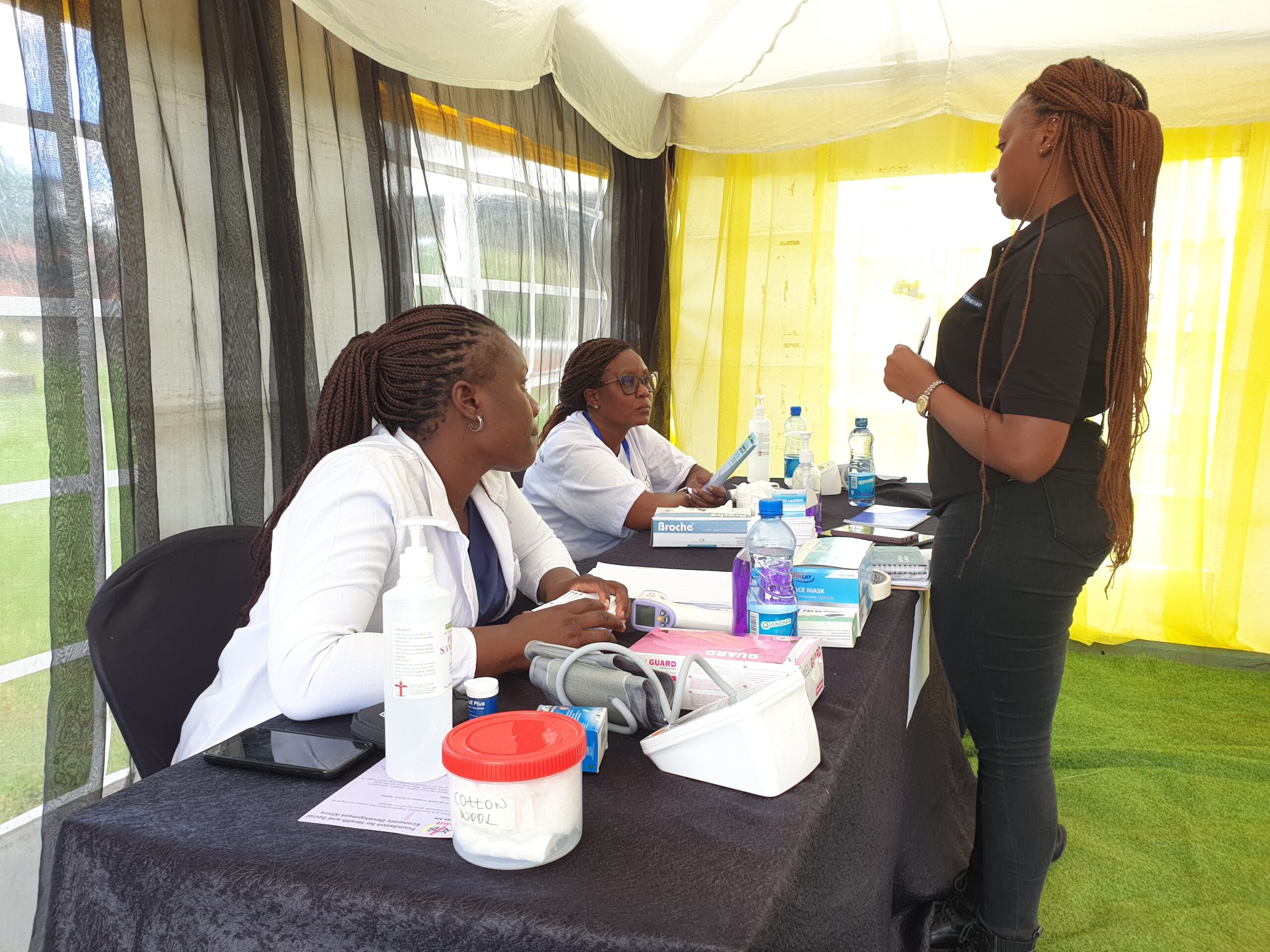
To improve maternal, newborn, and child health (RMNCH) outcomes and address gender-based violence (GBV), we focus on a comprehensive approach that includes the installation of sexual and reproductive health centers and youth-friendly spaces within health facilities. These centers serve as safe and accessible hubs where individuals, especially women and young people, can receive vital health services and information.
Our family planning initiatives empower individuals and families to make informed decisions about their reproductive health. We provide access to a variety of family planning services, complemented by educational programs that promote awareness and informed choice.
A key component of our strategy is strengthening the healthcare workforce. We invest in building the capacity of healthcare providers by equipping them with the necessary knowledge and skills to deliver quality care. This includes ongoing training and mentorship to ensure that health professionals remain competent and confident in their roles.
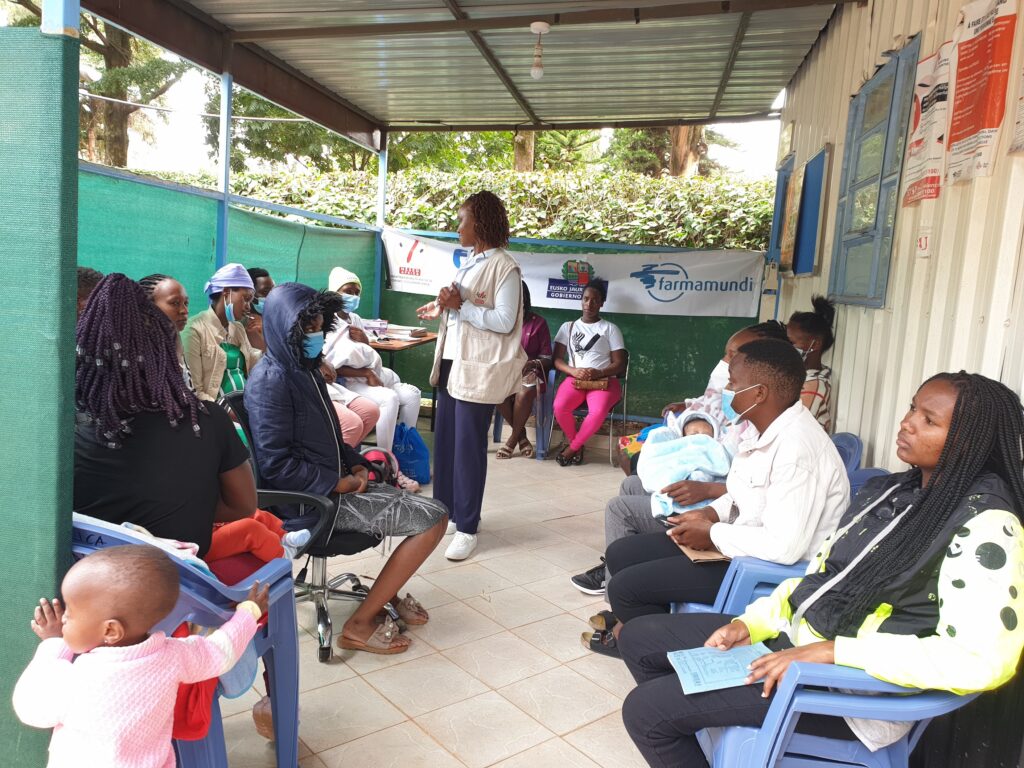
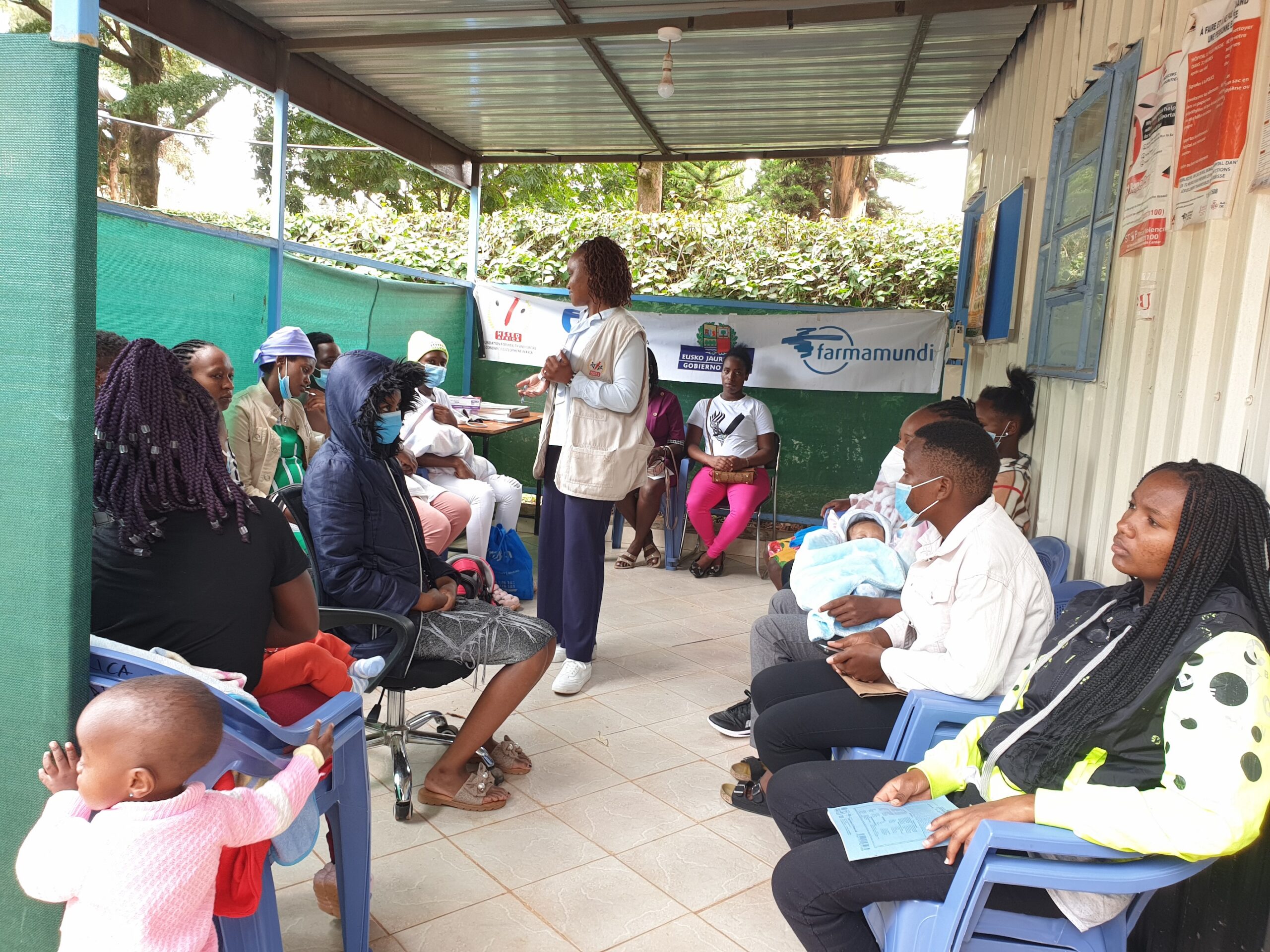
We also place strong emphasis on community engagement. By training and supporting community health promoters, we extend the reach of healthcare services and health education to the grassroots level. These promoters play a crucial role in improving health outcomes and enhancing the well-being of the communities they serve.
To ensure that health facilities are well-equipped to meet community needs, we supply essential drugs, laboratory reagents, and medical equipment. These resources are critical in enabling healthcare providers to deliver timely and effective services.
Recognizing the barriers faced by remote communities, we organize integrated medical outreaches that bring essential health services directly to underserved areas. In addition, through targeted in-reaches, we address neglected health needs in regions where indicators are particularly poor, ensuring that no one is left behind.
Infection prevention and control is a top priority in our programming. We implement rigorous measures to create clean, safe, and healthy environments within healthcare facilities and in the broader community, thereby reducing the risk of disease transmission.
We work collaboratively with the Ministry of Education and the Ministry of Health to implement school health programs. These initiatives promote students’ overall well-being and address their specific health needs, contributing to a healthier, more informed generation.
Our efforts in sexual and reproductive health promotion involve raising awareness and offering counseling and guidance on a range of important topics. These services empower individuals, particularly young people, to make informed choices about their sexual and reproductive lives.
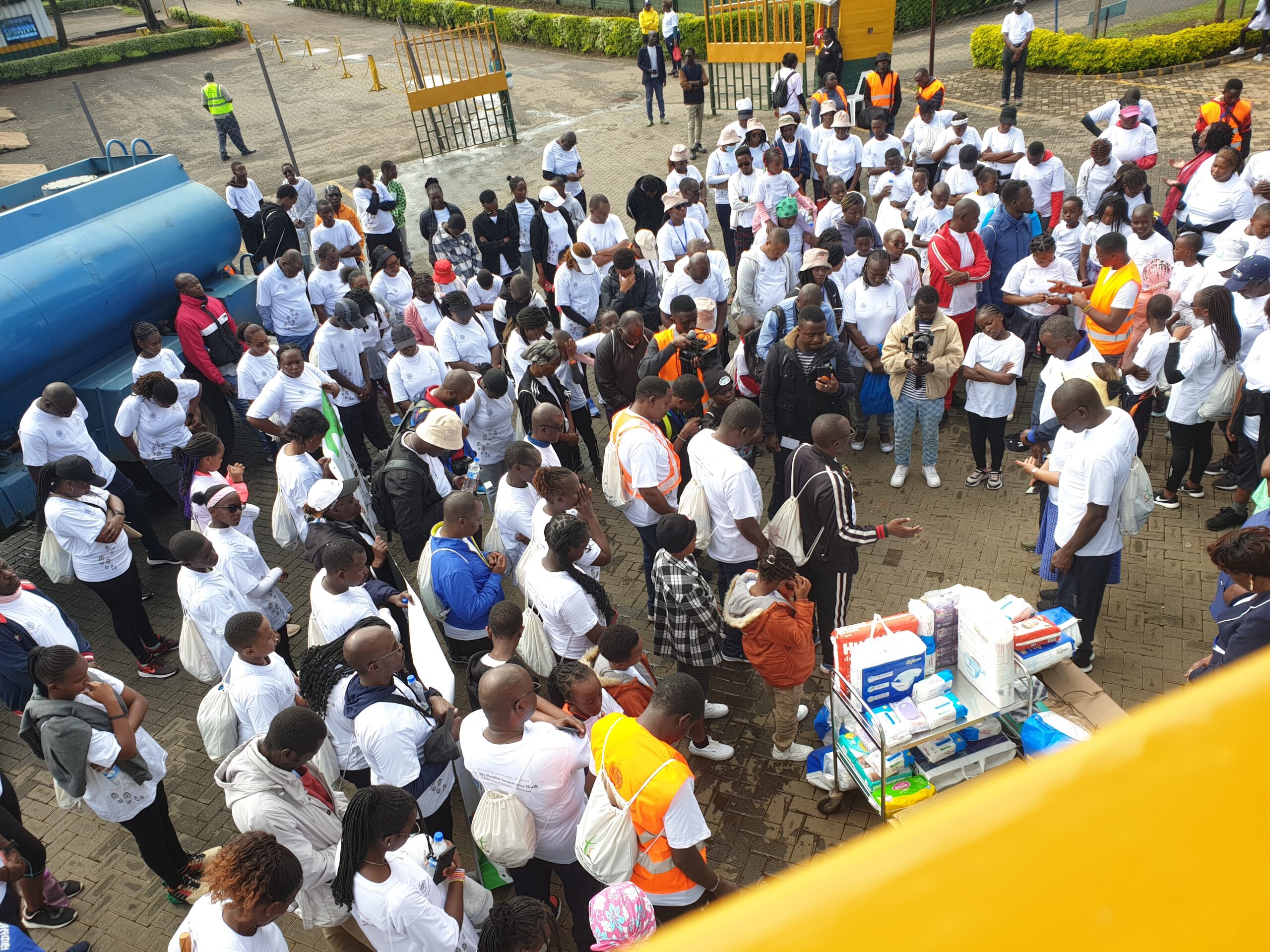
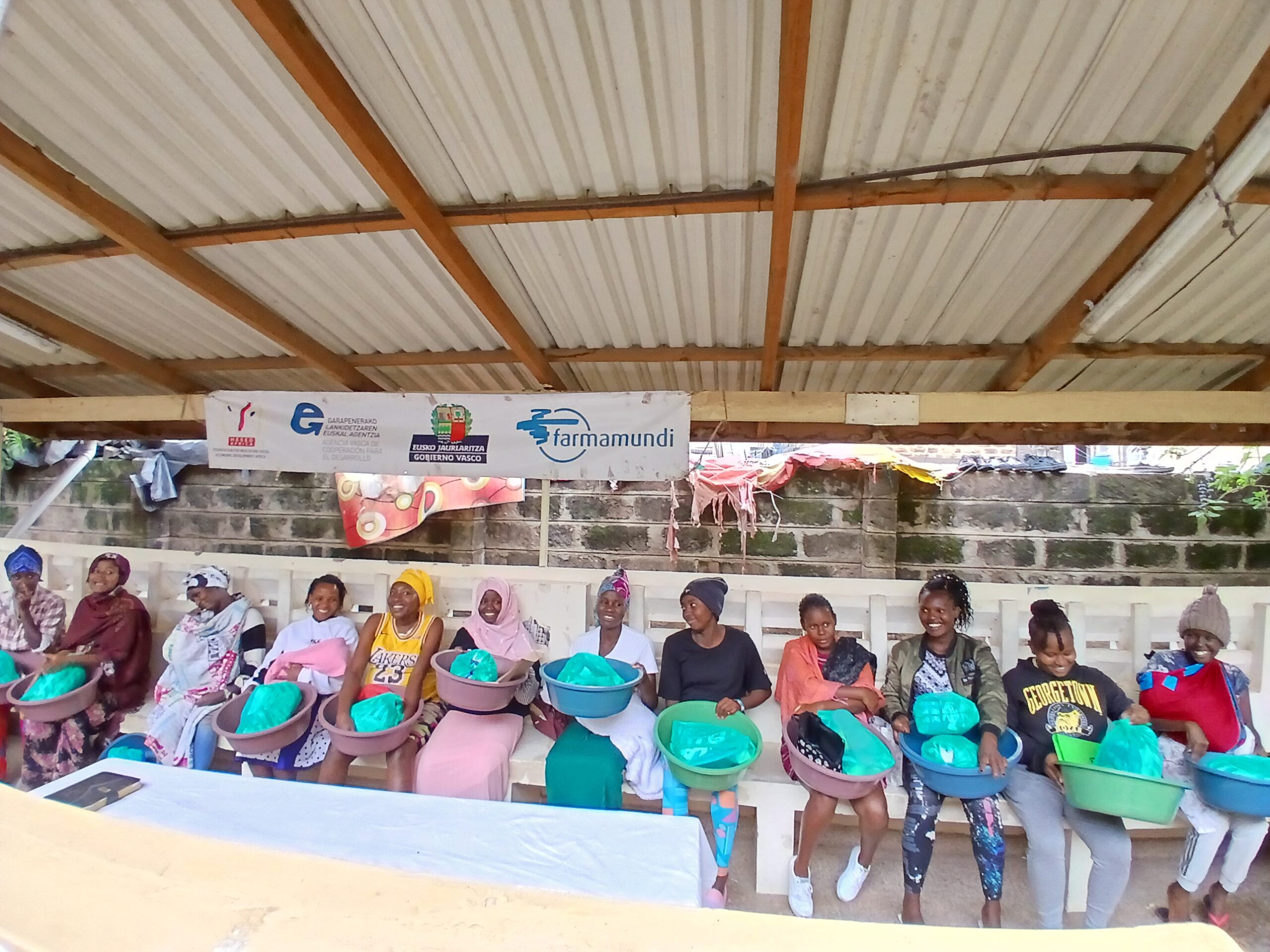
Finally, we are committed to promoting water, sanitation, and hygiene (WASH). Through awareness campaigns and training sessions, we educate communities about the importance of handwashing, proper sanitation, and menstrual hygiene. To support these efforts, we distribute essential WASH supplies, including aqua tabs, jerricans, soap, handwashing tanks, sanitary pads, and undergarments.
Together, these integrated efforts contribute to building a stronger, healthier, and more resilient healthcare system that meets the needs of all individuals, especially the most vulnerable.